What Does an Ergonomic Chair Really Cost in 2026?
Expect to pay somewhere between $150 and $1,500 for a real ergonomic chair, and the number you land on depends almost entirely on how many hours you sit and what your body needs. Budget models start around $150 to $200, solid mid-range picks run $400 to $800, premium chairs land around $1,000 to $1,500, and luxury builds can push past $1,800. A properly built ergonomic chair also tends to last 2 to 3 times longer than a standard office chair, which changes the math more than the sticker price suggests.
Habit Posture built its lineup around that reality: chairs that meet you at a realistic price point instead of pretending everyone needs the $1,500 flagship.
Price range callout: Budget $150–$350 · Mid-range $400–$800 · Premium $1,000–$1,500 · Luxury $1,800+
What each tier generally gets you:
- Budget: basic seat height and tilt, foam padding, 1 to 2 year warranty, best for light or occasional use.
- Mid-range: adjustable lumbar and arms, breathable mesh or better foam, 3 to 5 year warranty, built for daily 6 to 8 hour sitting.
- Premium and luxury: multi-point adjustability, engineered lumbar systems, premium materials, warranties running 7 to 12 years for full-time, all-day use.
Key Takeaways
Ergonomic chair prices split into four clear tiers, and matching your daily sitting hours to the right tier matters more than chasing the highest-rated chair overall.
| Point | Details |
|---|---|
| Price bands are predictable | Budget $150–$350, mid-range $400–$800, premium $1,000–$1,500, luxury $1,800+. |
| Cost-per-year beats sticker price | A $1,200 chair lasting 10 years often costs less annually than a $200 chair replaced every 3 years. |
| Warranty length signals real value | Look for 3+ years at mid-range and 7 to 12 years at premium before you buy. |
| Test before you commit | A 30-day trial reveals fit problems that a 5-minute showroom sit never will. |
| Habit Posture covers mid-range to premium | The Ergonomic Chair Pro and High-Back Ergonomic Chair map to daily-use budgets without overselling features you won’t use. |
Table of Contents
- How Much Does an Ergonomic Chair Cost by Tier?
- What Makes an Ergonomic Chair More Expensive?
- Is a More Expensive Ergonomic Chair Worth It?
- How Do You Choose an Ergonomic Chair on a Budget?
- Where Can You Find the Best Ergonomic Chair Deals?
- Quick Buying Checklist by Price Tier
- What Do Chair Testing Panels Actually Find?
- Which Habit Posture Chair Fits Your Budget?
- Sources
How Much Does an Ergonomic Chair Cost by Tier?
The four price tiers aren’t marketing labels. They map to real differences in materials, mechanisms, and how long the chair survives daily use. Buyer guides that break down office chair cost by band generally split the market into under $200, $200 to $400, $400 to $800, and $1,000 plus, and each jump buys something specific.
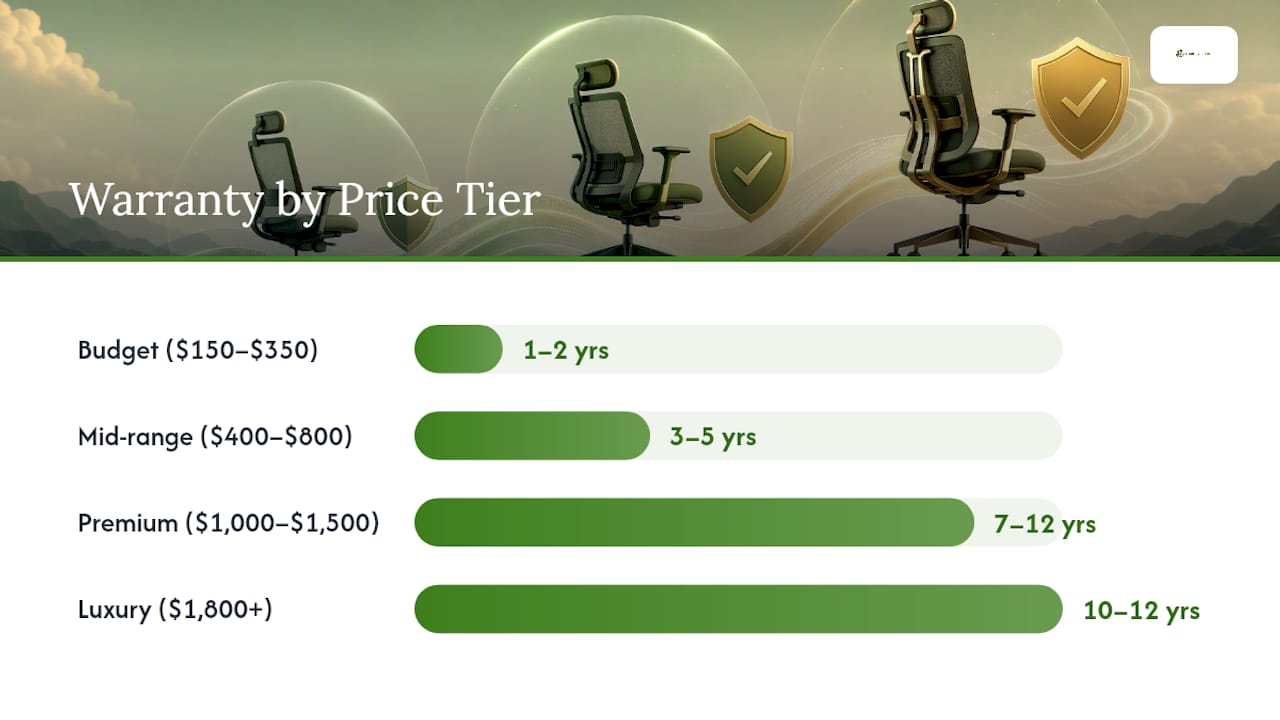
Budget ($150–$350). These chairs cover the basics: seat height adjustment, a simple recline, and foam cushioning. Fabric is usually polyester, the base is often reinforced plastic, and lumbar support is fixed rather than adjustable. You’ll find these at big-box retailers and on marketplace listings, frequently discounted to around $150 during sales, according to WIRED’s testing. They work fine for part-time desk use, a college dorm setup, or a guest chair that sees occasional traffic.
Mid-range ($400–$800). This is where adjustability actually shows up. Expect adjustable lumbar depth, 4D arms, seat depth sliding, and mesh backing that breathes better over long sessions. Warranties typically run 3 to 5 years. WIRED’s testing found a standout value pick around $499, calling it a legitimate alternative to chairs costing twice as much. This tier is genuinely the sweet spot for most people working full-time from a desk.
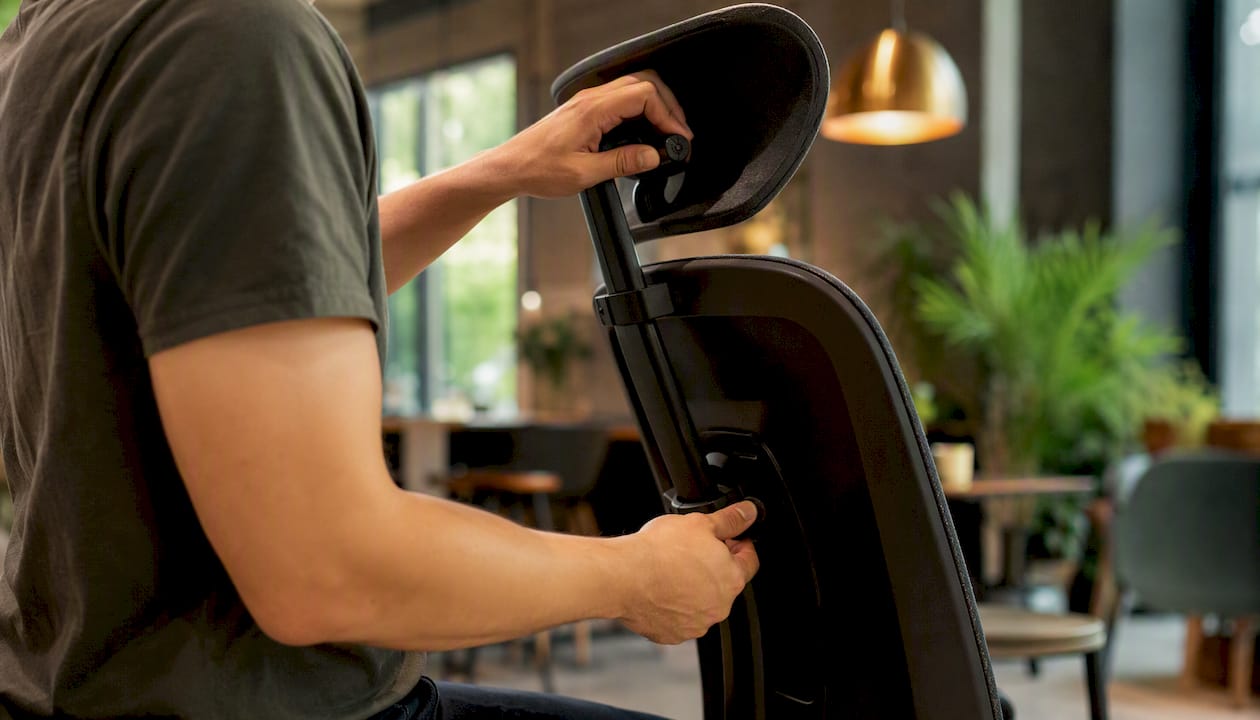
Premium ($1,000–$1,500). Editorial roundups consistently place top-tier ergonomic chairs in this range, and the jump buys engineered lumbar systems, higher-density foam or advanced mesh, aluminum bases instead of plastic, and warranties stretching 10 to 12 years. These chairs are built to survive a full workday, every day, for a decade.
Luxury ($1,800+). Designer branding, premium leather, and elite build quality live here. You’re paying for pedigree and refinement as much as ergonomic function, since the functional gains over a well-built premium chair are often marginal.
| Price band | Typical adjustments | Warranty | Expected lifespan | Best for |
|---|---|---|---|---|
| Budget ($150–$350) | Height, basic recline | 1–2 years | 2–4 years | Occasional or part-time use |
| Mid-range ($400–$800) | Lumbar, arms, seat depth | 3–5 years | 5–7 years | Full-time desk work |
| Premium ($1,000–$1,500) | Multi-point, engineered lumbar | 7–12 years | 10+ years | Daily heavy use, chronic back pain |
| Luxury ($1,800+) | Full customization, premium materials | 10–12 years | 10–15 years | Executive offices, long-term investment |
What Makes an Ergonomic Chair More Expensive?
Price differences aren’t arbitrary. A handful of specific components account for most of the gap between a $200 chair and a $1,200 one.
- Frame materials. Reinforced plastic bases cost far less than cast aluminum, and aluminum handles weight and torque better over years of daily use.
- Upholstery. Basic polyester mesh is cheap to produce; genuine leather or premium woven mesh raises MSRP significantly, sometimes by several hundred dollars alone.
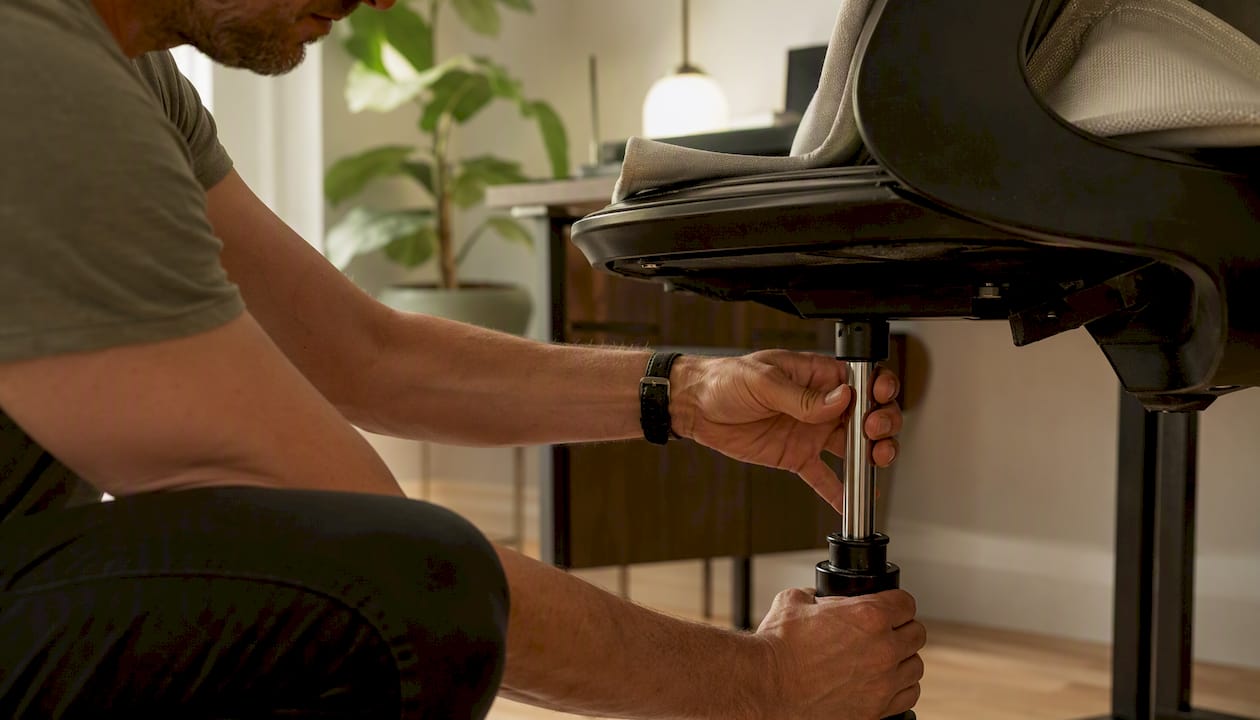
- Adjustment mechanisms. Every additional adjustable point (armrests, seat depth, tilt tension, headrest) adds manufacturing complexity and cost.
- Engineered lumbar technology. Fixed lumbar pads are cheap. Dynamic lumbar systems that shift with your spine as you move cost more to design and build.
- Warranty and service. A 10 year warranty requires a manufacturer confident enough in component durability to back it, and that confidence gets priced in.
- Branding and design pedigree. Designer names and recognizable silhouettes carry a premium that isn’t always tied to functional improvement.
Pro Tip: Shipping is the hidden line item nobody budgets for. A knocked-down chair typically ships for around $20, but big-and-tall or fully assembled units can add $100 or more to your final cost. Always check the cart total, not just the listed MSRP, before you compare two chairs side by side.
Warranty length quietly rewrites the cost-per-year math too. A $1,200 chair with a 10-year warranty averages $120 a year in raw materials cost. A $300 chair that needs replacing every 3 years averages $100 a year, but you’re also absorbing the hassle of reordering, reassembling, and adjusting to a new chair. The gap narrows fast once you factor in your own time.
Is a More Expensive Ergonomic Chair Worth It?
If you sit for 6 or more hours a day, are taller or heavier than average, or manage chronic back or hip pain, spending more is usually worth it. If you’re an occasional user or need a guest chair that sees a few hours a week, a budget model does the job without wasted spending.
The clearest way to compare tiers isn’t the sticker price. It’s cost divided by years of realistic use.
That table tells an uncomfortable truth: the cheapest chair often isn’t the cheapest option once you divide by years of service. A $500 chair lasting 6 years and a $1,200 chair lasting a decade land within striking distance of each other on an annual basis, and the premium chair usually wins on comfort, adjustability, and resale value along the way. Analysis comparing ergonomic to standard chairs backs this up: ergonomic models cost 2 to 5 times more upfront but often last 2 to 3 times longer, which shrinks the real gap considerably.
Buying cheaper now has real upsides too. You free up cash, you’re not locked into a chair before you know your actual sitting habits, and you avoid buyer’s remorse on a big purchase. The tradeoff is more frequent replacement and a higher chance of parts failing exactly when you can least afford the disruption. Saving for a premium chair means a bigger upfront hit but replaceable parts (casters, arm pads, gas cylinders) that extend the chair’s working life well past the base warranty period.
If you’re self-employed in the U.S., there’s a wrinkle worth knowing: a home-office chair can often be treated as a deductible business expense, which lowers your effective after-tax cost depending on your bracket and filing details. That doesn’t change the sticker price, but it does change what you actually pay out of pocket.
How Do You Choose an Ergonomic Chair on a Budget?
Price shopping without a plan leads to buyer’s remorse. Work through these steps in order and you’ll land on the right tier without overpaying for features you’ll never use.
- Set your ceiling first. Decide your maximum spend before you start browsing, based on your daily sitting hours and body type.
- Prioritize adjustments over aesthetics. Lumbar depth, seat pan depth, and armrest height matter more than upholstery color or frame finish.
- Check the warranty and return window. A 30-day trial and at least a 3-year warranty should be your floor at any price above $300.
- Confirm shipping and assembly costs before checkout. Add these to the listed price to get your real total.
- Verify height and weight ratings. Confirm the chair supports your height range and weight before ordering, not after.
Copy this checklist before you shop:
- Does the seat depth adjust, or is it fixed?
- Can the lumbar support move up, down, and in depth?
- Do the armrests adjust in height and width?
- What’s the weight rating, and does it comfortably exceed your weight?
- What’s the trial period, and what’s the warranty length?
When you’re testing a chair in person or reading a product page closely, pay attention to how the swivel base feels under weight shifts and whether the tension control adjusts smoothly rather than jerking between settings. Cheap gas cylinders and stiff casters are early warning signs of a chair that won’t hold up, regardless of what the price tag promises. Getting the seat height and depth right also affects how chair height impacts your posture over the course of a workday, so don’t skip this step just because a listing looks good in photos.
Where Can You Find the Best Ergonomic Chair Deals?
Buying direct from a brand usually gets you the clearest warranty terms and return policy, since there’s no middleman interpreting the fine print. Specialty ergonomic retailers often carry better-informed staff and sometimes price-match, but markups can run higher to cover that service. Big-box stores offer convenience and easy returns but a shallower selection of true ergonomic models. Marketplaces can surface real bargains, especially on open-box or refurbished units, but warranty coverage is inconsistent and you’re often on your own for support.
Sale timing follows a predictable rhythm. Holiday weekends (particularly around major shopping events), end-of-quarter clearance, and model refresh periods are when premium chairs see their steepest discounts. A chair listed at $1,200 in October can drop by 15% to 20% during a holiday sale window.
A few tactics consistently save money without sacrificing coverage:
- Ask about price-matching before you buy at full price.
- Look for certified refurbished or B-stock units, which often carry the same warranty at a lower price.
- Check open-box listings directly from the retailer rather than third-party resellers.
- Compare total cost across two or three channels before committing, since MSRP alone doesn’t tell the full story.
Pro Tip: Low advertised prices on marketplace listings sometimes hide the real cost in shipping. A chair priced $50 below everyone else’s listing can end up costing more once a $100 assembled-shipping fee gets added at checkout. Always calculate the full cart total, not the sticker price, before deciding a deal is actually a deal.
Quick Buying Checklist by Price Tier
Print this or screenshot it before you head into a store or open a browser tab to compare listings.
Budget tier ($150–$350): accept fixed lumbar and basic tilt; insist on at least a 1-year warranty and a 14-day return window.
Mid-range tier ($400–$800): accept synthetic mesh over leather; insist on adjustable lumbar, 4D arms, and a minimum 3-year warranty.
Premium tier ($1,000–$1,500): accept a longer wait for shipping and setup; insist on a 7+ year warranty, engineered lumbar, and a 30-day trial.
Luxury tier ($1,800+): accept a higher price for design pedigree; insist on full customization and confirm parts availability for repairs.
Deal-breakers that should disqualify any listing, regardless of price:
- No stated warranty length anywhere on the product page.
- No return or trial window at all.
- Weight rating below your actual body weight.
- Shipping cost hidden until the final checkout step.
- No documented lumbar adjustability claim for a chair marketed as “ergonomic.”
What Do Chair Testing Panels Actually Find?
Independent testing groups that put chairs through extended real-world use consistently find the same pattern: the biggest jump in comfort and support happens between budget and mid-range, not between mid-range and premium.
Panel testing across 17 chairs, each used by 7 reviewers over a full month of daily work, found that mid-range models in the $400 to $600 window frequently matched or outperformed chairs costing twice as much on adjustability and day-long comfort, with the real gap showing up mainly in long-term durability and warranty coverage rather than immediate comfort.
That finding lines up with WIRED’s own conclusion that a $499 pick held its own against far pricier competition. A few other patterns worth knowing before you buy:
- Mid-range chairs with mesh backing often outperform budget leather-look chairs on breathability during long sessions.
- Warranty length correlates more reliably with actual longevity than price alone; a well-warrantied $600 chair can outlast a poorly warrantied $900 one.
- Casters and gas cylinders are the most common failure points across every price tier, which is why replaceable-parts availability matters more than most buyers realize.
- A 30-day trial period, standard among reputable testing-backed retailers, remains the single best way to confirm fit before committing.
If you’re testing a chair yourself, spend real working hours in it, not just a few minutes of showroom sitting. Pay attention to how your lower back feels after hour three, not minute three.
How We Think About Price, Posture, and Practical Features
Most buying guides treat price as the whole story, and that’s a mistake. The real question isn’t “how much does this chair cost” but “how much does an hour of bad posture cost you” compounded over years of desk work. A $500 chair with proper lumbar adjustment beats a $1,200 chair that doesn’t fit your torso length, every time.
We lean toward recommending the mid-range tier for most people, not because premium chairs aren’t worth it, but because most buyers overestimate how much adjustability they’ll actually use. A chair like the Habit Posture Ergonomic Chair Pro earns its price by covering the adjustments that matter (lumbar, seat depth, arm height) without charging for the design flourishes that don’t move the needle on comfort.
Trust the trial period over your gut instinct in the showroom. A chair that feels great after five minutes of sitting can feel completely different after five hours. That’s the entire reason 30-day trials exist, and skipping that step is the single most common regret we hear about after a chair purchase.
Which Habit Posture Chair Fits Your Budget?
Habit Posture builds two ergonomic chairs that map cleanly onto the mid-range and premium tiers, so you don’t have to guess which features you’re actually paying for. The Habit Posture Ergonomic Chair Pro sits in the mid-range band: adjustable lumbar, height-adjustable design, and a footrest built in for anyone doing long stretches at a desk or in front of a screen. The Habit Posture High-Back Ergonomic Chair pushes into premium territory with fuller back coverage and reinforced lumbar support for people who sit 8 or more hours daily and need the extra structural support a high-back frame provides.
Both models are built around the same idea behind everything Habit Posture makes: posture support that works while you work, without asking you to relearn how you sit. If you’re deciding between the mid-range and premium tier, check the trial and warranty terms on each product page directly, since that window is your real safety net for confirming fit before you’re locked in. Start by comparing the Habit Posture chair lineup against the checklist above and pick the tier that matches your actual hours in the seat, not the one that just looks best in photos.
Sources
- Best Office Chairs 2026 | Tested - Forbes Vetted
- 15 Best Office Chairs of 2026—We Tested 70 to Pick Them | WIRED
- Ergonomic vs Standard Office Chairs: Worth It? | Vaseat
- Cost to ship chair | Redstag Fulfillment